Business automation
Most teams do not lack software. They lose time copying the same information between tools and relying on someone to remember the next step.
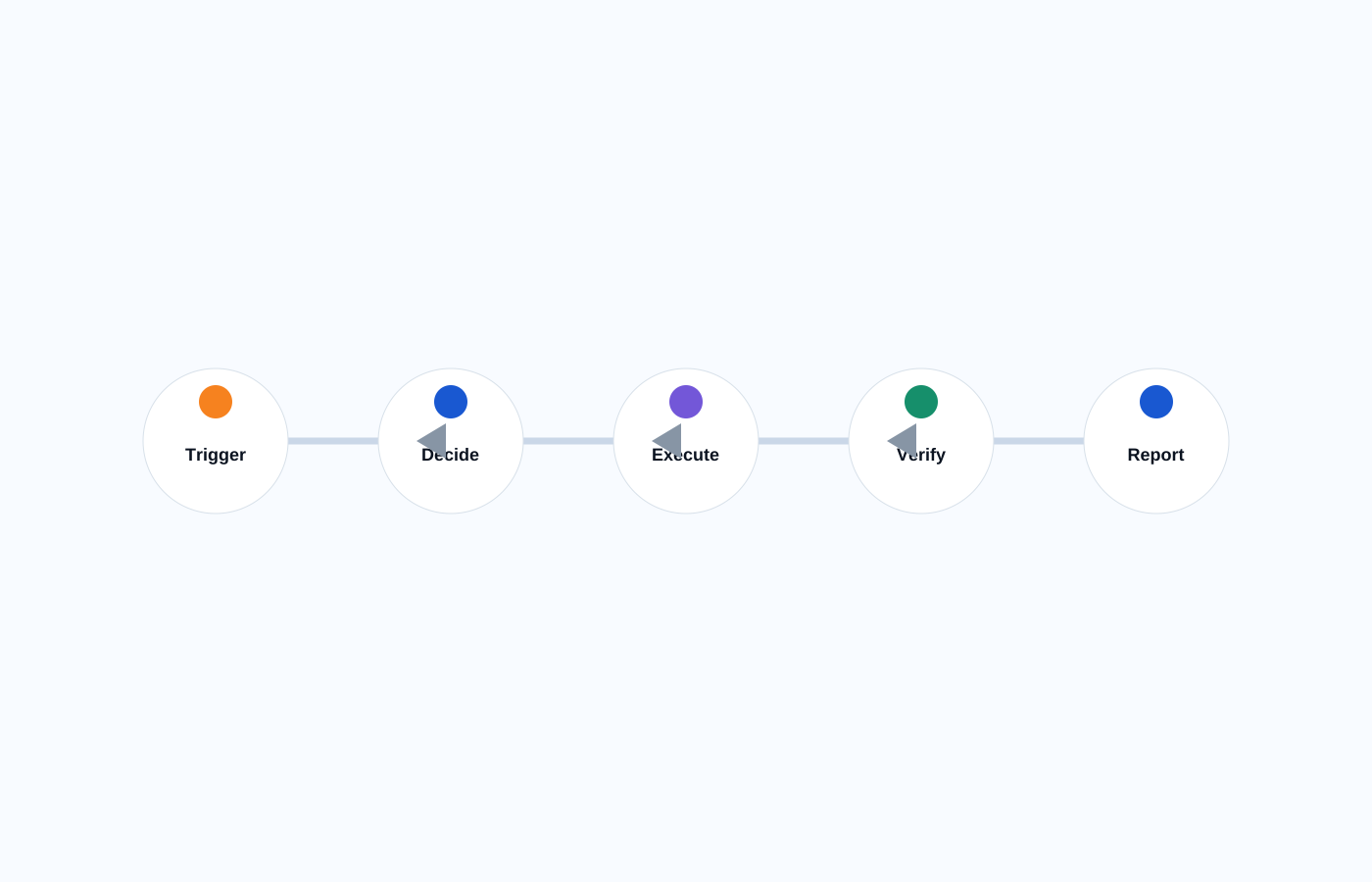
Automate repetition, not judgment.
We map one real workflow—inputs, conditions, owners, exceptions and outcomes—then automate only the parts that are stable enough. Logging, retries and human handoff are built into the design.
Lead follow-up
Assign owners, create tasks and preserve source information automatically.
Approvals
Connect estimates, approvals, reminders and document status.
Billing
Trigger reminders and follow-up based on order or payment status.
Inventory
Notify the right people when stock or purchasing conditions change.
Reporting
Collect recurring data from several systems without manual copy-and-paste.
Exceptions
Plan retries, duplicate protection, alerts and escalation before failure happens.
Typical scope
Understand the current workflow
Map current tools, people, data and the real bottleneck.
Ship the useful core
Deliver the highest-value part that can be verified quickly.
Expand after real use
Add features, automation and integrations based on real usage.
Common questions
Can automation amplify mistakes?
Yes if controls are missing, which is why validation, idempotency, logging, retries and handoff matter.
Can you connect our existing tools?
Usually yes through APIs, webhooks, databases or dependable browser automation.
Where should we start?
Choose a high-frequency workflow with clear rules and a lot of repetitive manual work.
Start with one concrete problem.
Tell us where the work is slow, error-prone or hard to manage. We will suggest a practical first phase.