KING AI OPS
OPS is the operations and reliability entry point for the KINGAI ecosystem. It brings deployment, runtime state, automation, alerts, risk, recovery and ongoing maintenance into one clear operating layer.
Keep production visible, governed and recoverable after launch.
OPS organizes deployment and operations signals into one view. The goal is not another dashboard; it is a shorter path from detecting a problem to understanding impact, applying a controlled fix and verifying recovery.
Deployments and versions
Keep the current production source, version, environment and release state explicit.
Runtime visibility
See the state of key services, websites, tasks and infrastructure.
Automation and tasks
Give routine checks, deployments and maintenance clear state and results.
Alerts and risk
Surface issues that need action without turning operations into alert noise.
Permissions and audit
Keep high-impact operations behind explicit authority, confirmation and records.
Recovery and rollback
Maintain verifiable recovery and rollback paths when changes or services fail.
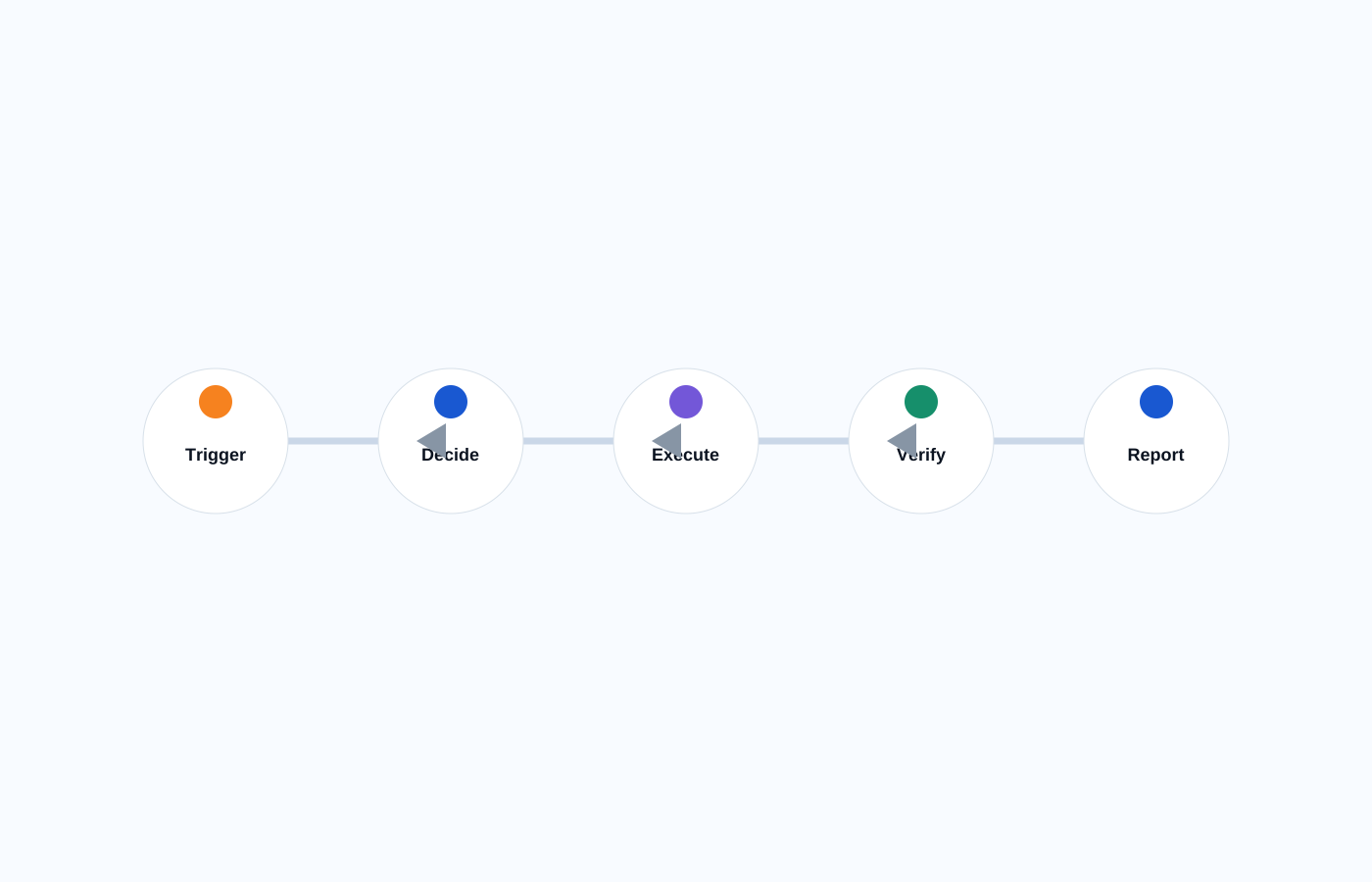
Observe → Decide → Act → Verify → Record
Observe
Collect production state, deployment results, health checks and meaningful exceptions.
Operate
Apply maintenance, repair or human approval within explicit risk and permission boundaries.
Verify
Confirm the real production outcome instead of treating “task ran” as success.
Common questions
What does OPS operate in the KINGAI ecosystem?
OPS is the operations and reliability entry point for authorized KINGAI deployments, services, automation, alerts, risk and recovery state.
Does OPS replace existing business systems?
No. OPS observes and operates the KINGAI ecosystem without requiring businesses to replace their existing systems.
Open KING AI OPS.
Go to the operations and reliability entry point for the KINGAI ecosystem.